
Connecting Students with Expert Tutors and AI-Powered Support to Make Learning More Personal, Flexible and Continuous.
A student can spend an hour with a skilled tutor, understand a difficult concept and still struggle to solve a similar problem alone the following day. The challenge in private education is therefore larger than finding a good teacher; it is helping students carry what they learn into the hours when they must work independently.
Roee Naim and Yaakov Yarmolovsky encountered this problem long before artificial intelligence became part of the educational conversation. As software engineering students who also worked as private tutors, they understood both the technical possibilities and the everyday difficulties of learning. Their first venture, Limud Naim, helped students and tutors find one another in Israel.
Over time, their experience led them to consider what could happen after a lesson ended, when students needed further practice and tutors had limited visibility into their progress. That question became the starting point for Tutorela, a U.S.-focused tutoring marketplace connecting students with independent tutors for online and in-person lessons, while combining human guidance with AI-powered learning support.
“We understood the challenges of tutoring firsthand, and we had the technical knowledge to build something better.”
Two Students Who Saw an Opportunity in Tutoring
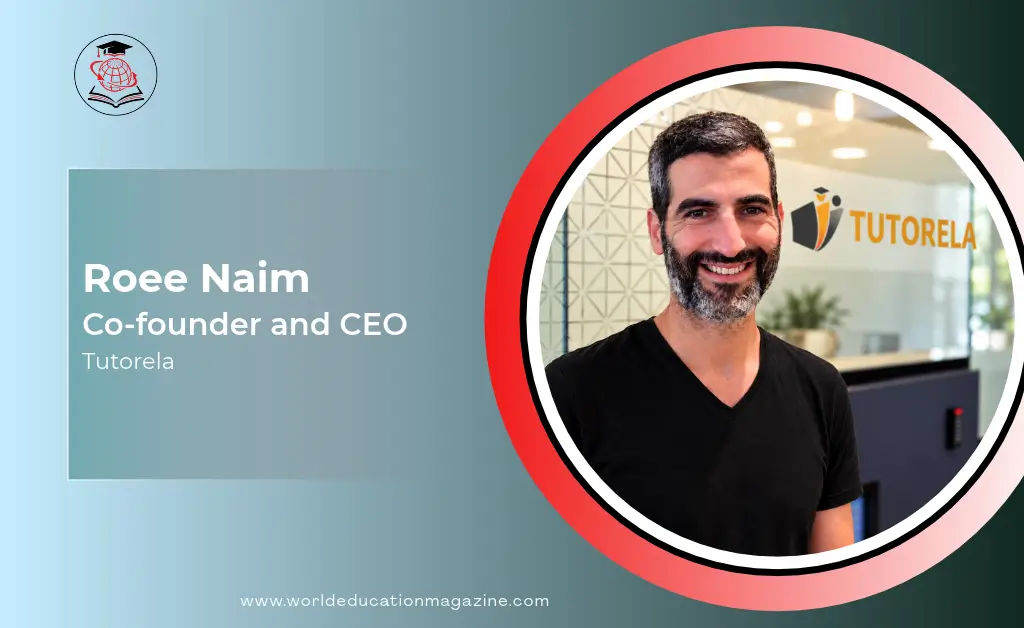
Roee Naim, Co-founder and CEO of Tutorela, and Yaakov Yarmolovsky, Co-founder and CTO, began their journey as software engineering students who were also working as private tutors. Their experience placed them on both sides of a problem they wanted to solve. They understood the demands of teaching, the difficulties students faced when searching for suitable tutors and the limitations of a process that often depended on personal connections.
As Roee explains, their journey began with a problem they experienced themselves. They believed technology could make the process of finding the right tutor and student much better, which led them to build Limud Naim, an Israeli tutoring marketplace.
The venture gave them an opportunity to apply their technical knowledge to a familiar challenge. Rather than approaching tutoring as a purely technological problem, they understood the importance of the people involved: students looking for guidance, families seeking suitable support and tutors trying to connect with learners who needed their expertise.
Limud Naim gradually grew into an established marketplace. More than a decade of experience and hundreds of thousands of lessons gave Roee and Yaakov a close view of what made tutoring relationships work, where students needed support and how technology could improve the experience.
Yet, as their understanding of the industry developed, another problem became increasingly clear. Finding a tutor was only one part of the learning journey.
The Learning Which Happens Between Lessons
A student may understand a concept during a tutoring session but struggle to apply it independently several days later. The good tutor may know precisely where the student had difficulty, what motivates them and which concepts require reinforcement, yet much of that knowledge traditionally remains within the lesson.
Roee and Yaakov began considering how this gap could be addressed. Their experience taught them that the tutor’s understanding of a student was incredibly valuable, but students often spent most of their week learning without that guidance.
They saw AI as an opportunity to extend the tutor’s impact beyond scheduled sessions. Rather than building an AI system intended to replace teachers, they wanted to create an approach in which the tutor guided the learning journey while AI supported practice, review and progress tracking between meetings.
The difference echoes their understanding of teaching itself. A good tutor does much more than deliver information. They recognise confusion, adapt explanations, build confidence and understand when a student needs encouragement rather than another exercise.
AI can make practice more accessible and personalised, but human judgement and relationships remain essential. For Roee and Yaakov, the aim was to bring these strengths together, allowing students to continue learning between lessons while giving tutors better insight into their progress.
This thinking became the foundation of Tutorela, the international tutoring platform created by the team behind Limud Naim, designed to combine human tutoring with AI-powered learning support.
“We want to improve how students find tutors while helping learning continue between lessons through AI-supported practice and feedback.”
Turning a Tutoring Session into a Continuous Learning Cycle
At Tutorela, the learning process can begin with something simple: a tutor explaining what happened during a lesson.
After a session, the tutor can provide a short voice or written summary of the topics covered, the areas where the student struggled and the concepts requiring additional practice. AI uses this information to prepare a learning summary, recommend relevant educational resources and generate targeted exercises.
The tutor can then review, modify and approve the proposed practice plan. Students may receive reminders to practise, while tutors receive updates on individual exercises and overall progress.
This process gives the tutor a clearer picture of what happens between appointments. Instead of beginning the next lesson with limited information about the student’s independent work, the tutor can see which areas need attention and decide what to reinforce, revisit or introduce.
Roee and Yaakov see tutoring as a cycle rather than a collection of separate appointments. The lesson identifies learning needs, AI helps organise practice, the student works independently and the results provide information for the next session.
The intention is to make each lesson more useful by connecting it to the work that follows.
“We saw AI as an opportunity to extend the tutor’s impact beyond scheduled sessions. Rather than building an AI system that replaces teachers, we designed an approach where the tutor guides the learning journey and AI supports practice, review, and progress tracking between lessons.”
How Personalised Practice Works in Real Life
Consider a seventh-grade student preparing for an algebra examination. During a lesson, the tutor notices that the student understands basic equations but repeatedly makes mistakes when working with negative numbers.
The tutor records a short explanation of the difficulty. Tutorela’s AI uses that guidance to prepare a focused summary, recommend relevant learning resources and generate exercises targeting negative numbers. The tutor reviews and approves the practice plan before the student begins.
Throughout the week, the student completes the exercises. The system can use the results to identify which skills require additional attention and adapt subsequent practice accordingly.
When the next lesson begins, the tutor has a clearer understanding of the student’s progress and can focus on the concepts that remain difficult.
Students can also use Tutorela’s AI-powered practice tools independently, without having a private tutor. In that case, the system adapts practice according to their results.
However, the founders’ central vision remains the combination of AI’s adaptability with the deeper understanding and guidance a human tutor provides. The technology is intended to support the relationship between teacher and student, while helping learning continue between sessions.
“A good tutor recognizes confusion, adapts explanations, builds confidence, and understands when a student needs encouragement rather than another exercise.”
What Technology Can Do, and What Must Remain Human
The founders’ approach comes from a simple understanding of the differences between delivering information and teaching a person.
Two students can make the same mistake for entirely different reasons. One may misunderstand the concept, while another may struggle with confidence or concentration. An experienced tutor can recognise these differences and respond in a way that suits the individual.
Motivation, empathy, judgement and trust remain central to teaching. These qualities influence how students respond to difficult subjects, whether they feel comfortable asking questions and how they recover from mistakes.
AI can support repetitive tasks such as preparing practice activities and tracking progress, allowing tutors to spend more time explaining difficult ideas, offering encouragement and building personal connections.
Responsible use is equally important. Roee and Yaakov recognise that AI can make mistakes, so accuracy, privacy and educational value require continuous attention. AI should help students understand and solve problems rather than simply supply answers, while supporting human judgement rather than being treated as infallible.
In Tutorela’s tutor-guided model, the tutor remains involved in important educational decisions and can review, change or approve AI-generated practice plans. Independent learners can also use the platform’s practice tools, making meaningful learning a priority across both experiences.
“AI can make practice more accessible and personalized, but human judgment and relationships remain essential.”
Lessons from Building Limud Naim
Tutorela did not emerge from an isolated idea about artificial intelligence. It grew from the founders’ experience of building and developing Limud Naim.
The Israeli marketplace has facilitated more than 500,000 private lessons, with over 15,000 registered tutors and more than 50,000 student reviews. These figures relate to Limud Naim’s activity in Israel rather than Tutorela’s United States operations.
Through that experience, Roee and Yaakov learnt that a successful tutoring marketplace depends on trust, transparency, personal fit and communication, rather than simply the number of tutors available.
They also recognised that tutors need practical tools that fit naturally into their work. This lesson influenced Tutorela’s marketplace design and its approach to bringing AI into the learning process.
Roee and Yaakov wanted technology to solve real problems faced by students and tutors, while respecting the independence of the people who provide lessons. Tutors would continue to set their own rates, build relationships with students and exercise professional judgement over how they teach.
The experience gained through Limud Naim gave them a foundation for taking their work into another market, but they understood that their reputation and relationships would need to develop afresh with American families and tutors.
“Tutorela uses AI to prepare a learning summary, recommend relevant educational resources, and generate targeted exercises.”
Taking the Next Step in the United States
After more than a decade of building Limud Naim, Roee and Yaakov saw an opportunity to bring their experience to a wider market.
They viewed the United States as a natural choice for international expansion because of its size, demand for personalised education and openness to adopting new technologies. They also recognised that AI was creating opportunities to make individual learning more accessible, continuous and effective.
Their ambition was to contribute something different by bringing together practical tutoring experience and technological expertise. Tutorela became their United States-focused platform, connecting students and families with independent tutors while providing AI-powered tools to support learning between sessions.
The company has already welcomed more than 400 tutors to the platform, an encouraging early milestone as it continues to establish its presence in the United States.
Roee and Yaakov understand that experience in one market does not automatically establish trust in another. Local expectations, curricula and examination requirements all matter, even when lessons take place online.
Their focus remains on helping families find suitable tutors and creating productive learning relationships, supported by technology that makes the experience more continuous.
“Students can also use Tutorela’s AI-powered practice tools independently, without having a private tutor. In that case, the system adapts practice based on their results.”
Giving Students, Parents and Tutors More Choice
Tutorela combines a tutoring marketplace with personalised learning tools, giving students and families access to independent tutors across mathematics, English, science, languages, music, coding and test preparation.
Families can compare tutors by subject, location, price, availability and lesson format, choosing online or in-person instruction according to their needs. Tutors maintain their independence, set their own rates and connect with students who require their expertise.
The AI-powered tools add another dimension to this relationship. Students can practise between lessons, tutors can guide that practice and progress updates can help both sides understand which areas need more attention. Students who are studying independently can also use adaptive practice without having a private tutor.
Local knowledge remains valuable. Even for online lessons, a tutor familiar with a student’s curriculum, school expectations or examination requirements can provide context that makes instruction more relevant.
For Tutorela, the aim is to bring these elements together in a way that supports flexibility, transparency and personal fit. The value of the platform lies in helping students find appropriate guidance and giving them useful ways to continue learning, rather than simply generating matches between tutors and families.
“We believe private tutoring is entering a period of significant change. AI creates opportunities to make personalized learning more accessible, continuous, and effective.”
Building Trust as the Platform Grows
As Tutorela expands, maintaining educational quality requires attention to the different needs of students and the different approaches tutors bring to their work.
The company aims to provide clear tutor information, effective discovery tools and technology that supports individual instruction. Within the tutor-guided learning experience, tutors can review, modify and approve AI-generated practice plans, keeping their professional judgement involved in the process.
As Co-founder and CTO, Yaakov leads the technological development of this approach, working to make personalised learning support scalable while preserving the tutor’s role.
Roee and Yaakov also recognise that AI introduces responsibilities around accuracy, privacy and the quality of the activities it generates. Students should receive exercises that encourage understanding, while tutors need useful information to decide what their students should work on next.
The wider objective is to help students develop their knowledge and become more independent learners. Technology can identify patterns in practice, but meaningful educational progress also depends on understanding why a student struggles and what kind of guidance will help them move forward.
“Quality in education requires recognizing that students have different needs and tutors have different teaching approaches.”
Measuring Progress Through Understanding
Completing exercises can show that a student has been active, but activity alone does not establish whether a concept has been mastered.
Tutorela considers several dimensions of progress, including consistent practice, improvement across exercises, recurring difficulties, deeper understanding and growing confidence.
AI-supported practice can help identify patterns in student performance and highlight skills that may require further attention. Tutors contribute their broader understanding of the student’s development, including the reasons behind repeated mistakes and the confidence needed to tackle more challenging material.
Together, these perspectives can provide a more meaningful picture of progress than activity measures alone.
Roee and Yaakov ultimately want students to become more capable and independent learners. Personalised practice can help them work through difficult concepts at their own pace, while tutors provide explanation, encouragement and the wider context needed to apply their knowledge.
This distinction remains important as the platform grows: the goal is educational progress, rather than simply completing more exercises.
Preparing for the Future of Personalised Education
Roee and Yaakov see private tutoring entering a period of significant change as AI becomes part of the learning process. Their vision for Tutorela brings the judgement, encouragement and personal connection of human tutors together with AI-powered practice and feedback.
They want students to have opportunities to continue working on difficult concepts throughout the week, rather than relying entirely on their next appointment. Independent AI practice will remain another option, giving students access to adaptive tools when they choose to study on their own.
Roee and Yaakov’s central vision, however, remains the relationship between tutor and student, strengthened by technology that helps both sides understand what the learner needs.
Their journey began with a practical problem encountered while they were university students working as private tutors. Building Limud Naim helped them understand the importance of trust, transparency and personal fit. Developing Tutorela has allowed them to explore a further question: how can technology help the value of a lesson continue after the tutor leaves?
The answer they are working towards combines human guidance with intelligent practice, giving students more opportunities to learn and tutors more insight into their progress.
As Tutorela develops its presence in the United States, its challenge will be to make this approach useful at scale while preserving the individual attention that makes tutoring valuable.
For both, the lesson may end, but learning shouldn’t.
“We believe the future of personalized education combines the judgment, encouragement, and personal connection of human tutors with AI-powered practice and feedback.”
About Tutorela:
Tutorela is a U.S.-focused tutoring marketplace connecting students and families with independent tutors for online and in-person lessons across academic subjects, languages, music, coding, and test preparation.
Created by the team behind Limud Naim, Tutorela combines human-led tutoring with AI-powered learning support between lessons. Students can also use adaptive AI practice independently.
Founders:
- Roee Naim — Co-founder & CEO
- Yaakov Yarmolovsky — Co-founder & CTO
Company background: Tutorela is the international tutoring platform created by the team behind Limud Naim, an established Israeli tutoring marketplace with more than a decade of experience.
Website: https://www.tutorela.com