
Table of Contents
- From Swat Valley to Global Stage: Malala’s Journey
- The Taliban Attack That Changed Education Advocacy Forever
- Nobel Peace Prize and International Recognition
- The Malala Fund: Translating Advocacy into Action
- Impact on Girls’ Education Policies Worldwide
- Frequently Asked Questions
- A Legacy That Continues to Inspire
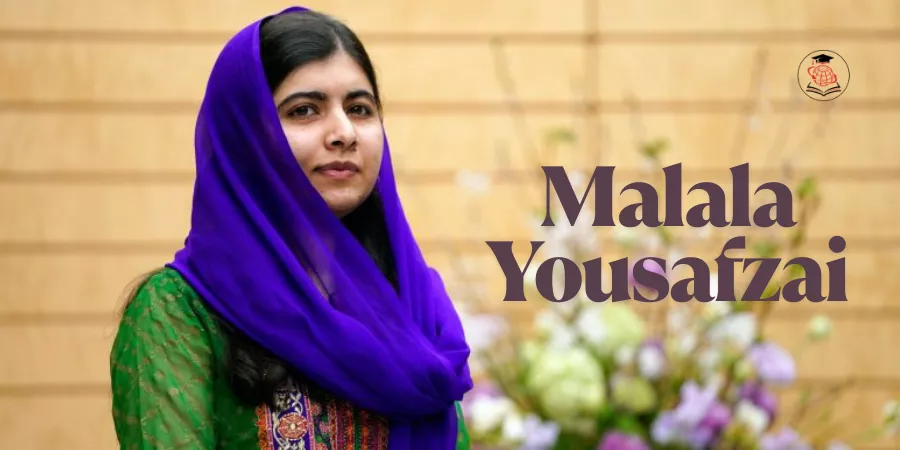
Malala Yousafzai stands as perhaps the most recognizable face of global education advocacy in the 21st century. Her journey from a schoolgirl blogger in Pakistan’s Swat Valley to the youngest Nobel Peace Prize laureate has fundamentally reshaped international conversations about girls’ education, educational access in conflict zones, and the power of youth activism. Her influence extends far beyond symbolic recognition, driving tangible policy changes, funding commitments, and grassroots movements that have expanded educational access for millions of girls globally.
| Global Impact:
Since 2013, Malala’s advocacy has contributed to policy changes affecting education access in 12 countries, influenced over 2 billion dollars in international education funding commitments, and directly supported educational programs reaching more than 10 million girls. |
From Swat Valley to Global Stage: Malala’s Journey
Born in 1997 in Mingora, Swat Valley, Pakistan, Malala Yousafzai grew up in a region where her father, Ziauddin Yousafzai, operated a school and championed education for all children. When the Taliban gained control of Swat Valley in 2007 and began imposing restrictions including banning girls’ education, Malala was just 11 years old. Her early activism emerged through anonymous blogging for BBC Urdu, documenting life under Taliban rule and advocating for girls’ right to education at a time when such advocacy carried life-threatening risks.
Her public profile grew as she was featured in a New York Times documentary and began speaking openly about education rights. This visibility made her a target. The juxtaposition of her youth and the courage required to speak against violent extremism captured international attention even before the attack that would make her a global symbol. Her family’s commitment to education despite threats demonstrated that educational advocacy often requires not individual heroism but collective family and community support willing to accept significant personal risk for broader social progress.
- 2008: Began blogging anonymously for BBC Urdu about life under Taliban rule
- 2009: Featured in New York Times documentary on Swat Valley education
- 2011: Received Pakistan’s first National Youth Peace Prize
- 2012: Taliban assassination attempt fundamentally altered her trajectory
- 2013: Co-authored memoir ‘I Am Malala’ and founded Malala Fund
The Taliban Attack That Changed Education Advocacy Forever
On October 9, 2012, Taliban gunmen boarded Malala’s school bus and shot her in the head, intending to silence her advocacy. The assassination attempt achieved the opposite effect, transforming Malala from a regional activist into an international symbol of resistance against educational oppression. Her miraculous survival after emergency medical treatment in Pakistan followed by specialized care in the United Kingdom became a rallying point for global education advocates who had previously struggled to maintain international attention on educational access issues in conflict zones.
The attack crystallized several realities that educational advocacy organizations had long articulated but struggled to communicate effectively to policymakers and public audiences. Girls’ education threatens extremist ideologies precisely because educated women challenge traditional power structures and cultural restrictions. The violence directed at a 15-year-old girl for attending school exposed the stakes involved in educational access battles occurring across Afghanistan, Pakistan, Nigeria, and other conflict-affected regions where educational facilities remain military targets.
| Turning Point:
The global response to Malala’s attack catalyzed a 300% increase in international media coverage of girls’ education issues and prompted the United Nations to declare July 12 as Malala Day, focusing international attention on education access annually. |
Medical Recovery and Continued Advocacy
Malala’s recovery at Queen Elizabeth Hospital in Birmingham involved extensive rehabilitation and permanent relocation to the United Kingdom for security reasons. Rather than retreating from public life, she intensified her advocacy work. Her continued activism despite personal trauma demonstrated that educational advocacy requires resilience and long-term commitment rather than momentary attention to crisis situations. This persistence proved essential in maintaining international focus on girls’ education beyond the immediate news cycle following the attack.
Nobel Peace Prize and International Recognition
In 2014, at age 17, Malala became the youngest Nobel Peace Prize laureate, sharing the award with Indian child rights activist Kailash Satyarthi. The Nobel Committee explicitly recognized her struggle against the suppression of children and young people and for the right of all children to education. This recognition provided unprecedented visibility and credibility to youth-led educational activism, demonstrating that young people can drive substantial social change rather than merely participating in adult-led movements.
The Nobel Prize elevated educational access from a development issue to a fundamental human rights and peace concern. By framing education as a peace-building tool rather than simply a development metric, Malala and the Nobel Committee repositioned educational advocacy within international relations discourse. This reframing enabled educational access arguments to resonate with security-focused policymakers who might otherwise prioritize military and political interventions over long-term educational investment in conflict-affected regions.
- 2013: Addressed United Nations on her 16th birthday
- 2014: Won Nobel Peace Prize at age 17, youngest laureate ever
- 2017: Became UN Messenger of Peace, youngest appointee
- 2020: Graduated from Oxford University with degree in Philosophy, Politics and Economics
- Ongoing: Continues advocacy through Malala Fund and public speaking
The Malala Fund: Translating Advocacy into Action
Founded in 2013, the Malala Fund represents Malala’s transition from individual advocacy to institutional capacity-building for girls’ education globally. The organization operates on a model emphasizing local leadership, funding grassroots education activists in regions where girls face the greatest barriers to education including Afghanistan, Pakistan, Nigeria, and Brazil. This approach acknowledges that sustainable educational change requires empowering local advocates who understand cultural contexts and can navigate political landscapes more effectively than international organizations imposing external solutions.
The Fund’s work encompasses direct program funding, policy advocacy, and amplifying voices of grassroots education activists. By 2026, the organization has invested over 30 million dollars in education programs and advocates, with particular focus on secondary education for adolescent girls, a demographic that receives disproportionately less attention and funding compared to primary education initiatives. Understanding the comprehensive scope of Malala Fund’s global education initiatives reveals how individual advocacy can scale into institutional infrastructure addressing systemic educational barriers.
| Strategic Focus:
The Malala Fund prioritizes secondary education because research demonstrates that girls completing secondary school earn 25% more income, have healthier families, and are more likely to ensure their own children complete education, creating intergenerational benefits. |
Impact on Girls’ Education Policies Worldwide
Malala’s advocacy has influenced concrete policy changes extending beyond symbolic gestures. Her testimony and advocacy have contributed to increased government commitments to educational funding in Pakistan, Nigeria, and Afghanistan. The Safe Schools Declaration, which Malala actively promoted, has been endorsed by over 110 countries committing to protect educational facilities during armed conflict, directly addressing the militarization of schools that made Malala’s own education dangerous.
Her influence on international development funding priorities has redirected resources toward girls’ secondary education in conflict-affected and developing regions. The World Bank, bilateral donors, and private foundations have explicitly cited Malala’s advocacy when announcing education funding initiatives, demonstrating how individual advocates can influence institutional funding priorities. This policy impact extends to multilateral forums where education ministers and development officials reference Malala’s story when justifying educational investments to skeptical finance ministries and legislative bodies.
- Influenced Pakistan’s Right to Free and Compulsory Education Bill
- Advocated for Safe Schools Declaration protecting educational facilities
- Contributed to increased World Bank education funding allocations
- Shaped Global Partnership for Education funding priorities
- Inspired grassroots education movements across 50+ countries
Frequently Asked Questions
What is Malala Yousafzai best known for?
Malala Yousafzai is best known for her advocacy for girls’ education, particularly in regions where cultural and political forces restrict female educational access. She gained international prominence after surviving a Taliban assassination attempt in 2012 for her activism. She subsequently became the youngest Nobel Peace Prize laureate and founded the Malala Fund, an organization working to ensure 12 years of free, safe, quality education for every girl globally.
What has Malala accomplished since winning the Nobel Prize?
Since receiving the Nobel Peace Prize in 2014, Malala graduated from Oxford University, expanded the Malala Fund’s operations to multiple countries, became a UN Messenger of Peace, published additional books, and continued advocacy resulting in policy changes and increased educational funding commitments globally. She has also elevated numerous local education activists through the Malala Fund’s Gulmakai Network, amplifying voices that would otherwise lack international platforms.
How has Malala changed education for girls worldwide?
Malala’s advocacy has contributed to policy changes expanding girls’ educational access in multiple countries, influenced over 2 billion dollars in education funding commitments, and inspired grassroots education movements globally. Her work helped secure government commitments to free secondary education in Pakistan and influenced the Safe Schools Declaration protecting educational facilities. The Malala Fund has directly supported programs reaching millions of girls in underserved regions.
Does Malala still live in Pakistan?
Malala relocated to the United Kingdom for medical treatment after the 2012 attack and continues to reside in the UK for security reasons. However, she maintains strong connections to Pakistan, visits when security permits, and the Malala Fund supports extensive education programs in Pakistan. She has expressed her desire to return permanently when conditions allow safe advocacy work in her home country.
What is the Malala Fund and what does it do?
The Malala Fund is an international organization founded by Malala and her father in 2013, working to ensure girls worldwide receive 12 years of free, safe, quality education. The Fund invests in local education activists through the Gulmakai Network, conducts research on girls’ education barriers, advocates for policy changes, and amplifies stories of girls fighting for educational access. It focuses particularly on regions where girls face the greatest barriers including Pakistan, Afghanistan, Nigeria, and Brazil.
A Legacy That Continues to Inspire
Malala Yousafzai’s influence on global education extends beyond her personal story of survival and courage. She has fundamentally altered how international institutions, governments, and civil society organizations approach girls’ education in conflict-affected and developing regions. Her advocacy demonstrated that educational access is not merely a development metric but a fundamental human right worth defending even at personal risk.
The educational activism she inspired continues through the Malala Fund, through grassroots movements citing her example, and through policy frameworks that now prioritize girls’ secondary education in ways that were absent before her advocacy gained prominence. Her legacy lies not in individual heroism but in the institutional changes, funding redirections, and grassroots movements that will continue expanding educational access long after individual advocates move to other causes. Malala’s transformation of global education advocacy shows that individual voices, amplified through strategic communication and persistent action, can generate systemic changes that benefit millions of people who will never know the advocates who fought for their opportunities.