
Table of Contents
- The Gulmakai Network: Empowering Local Education Champions
- Regional Focus: Where the Malala Fund Operates
- Secondary Education: Strategic Investment Priority
- Policy Advocacy and Government Engagement
- Measuring Impact: Outcomes and Accountability
- Frequently Asked Questions
- Sustaining Long-Term Educational Change
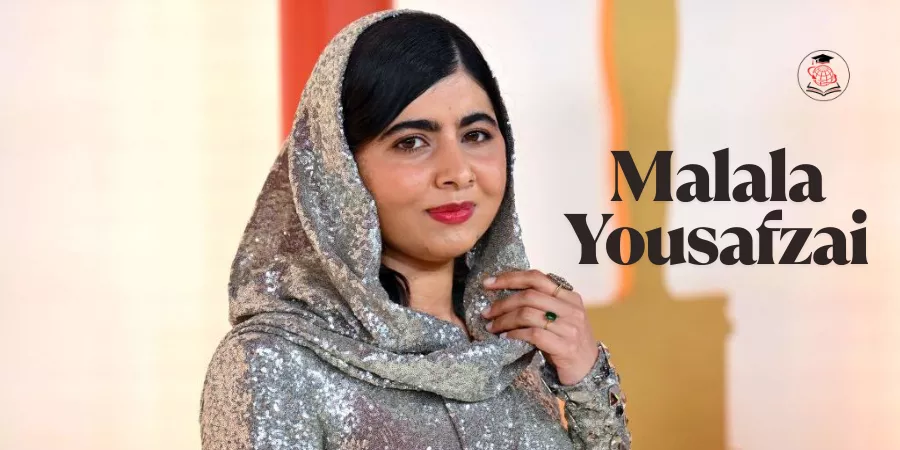
Understanding Malala Yousafzai’s journey as a global education leader provides essential context for appreciating how the Malala Fund translates individual advocacy into institutional infrastructure addressing systemic educational barriers. Since its founding in 2013, the Fund has evolved from a celebrity-backed awareness campaign into a sophisticated organization employing strategic grantmaking, rigorous impact measurement, and evidence-based advocacy to expand girls’ educational access in the world’s most challenging environments.
| Organizational Scale:
By 2026, the Malala Fund has invested over 30 million dollars in education programs across eight countries, directly supporting more than 10 million girls’ educational journeys while influencing policy changes affecting hundreds of millions more globally. |
The Gulmakai Network: Empowering Local Education Champions
The Gulmakai Network, named after Malala’s pseudonym during her BBC blogging, represents the Fund’s core programmatic strategy, investing in local education advocates and organizations rather than implementing programs directly. This approach acknowledges that sustainable educational change requires empowering communities to solve their own educational access challenges rather than imposing external solutions that may not fit local contexts or survive after international funding ends.
Network members receive multi-year funding, capacity-building support, and access to the Malala Fund’s international platform to amplify their advocacy. Members operate across Afghanistan, Brazil, India, Lebanon, Nigeria, Pakistan, and Turkey, addressing context-specific barriers ranging from child marriage and early pregnancy to conflict-related school closures and discriminatory educational policies. The network model enables the Malala Fund to maintain relatively small overhead while supporting dozens of grassroots organizations doing direct implementation work.
- Multi-year unrestricted funding allowing organizational flexibility
- Capacity building in areas like financial management and monitoring
- Platform amplification connecting local advocates to international audiences
- Peer learning opportunities between network members across regions
- 2013-2026: Over 40 organizations funded across eight countries
Success Stories from Network Members
Network member Association for Learning and Training in Afghanistan has supported over 5,000 girls through community-based education programs during periods when formal schooling was unavailable. In Nigeria, LEAP Africa has trained hundreds of girl advocates who successfully campaigned for policy changes increasing girls’ school enrollment. These localized successes demonstrate that educational advocacy requires understanding specific cultural barriers, political dynamics, and community power structures that international organizations cannot navigate as effectively as local partners.
Regional Focus: Where the Malala Fund Operates
The Malala Fund concentrates resources in regions where girls face the most severe educational barriers, measured by enrollment rates, completion rates, and gender parity indices. Pakistan remains a priority given Malala’s personal connection and the country’s substantial out-of-school girl population, with Fund programs reaching over 100,000 girls through partner organizations working on policy advocacy and direct educational support.
Afghanistan represents one of the Fund’s most challenging operational environments, with Taliban restrictions on girls’ education creating extraordinary barriers. The Fund supports underground educational networks, online learning programs, and advocacy campaigns highlighting the humanitarian and economic costs of excluding girls from education. Nigeria and Brazil programs focus respectively on conflict-affected regions in the northeast and on racial and economic barriers preventing Afro-Brazilian girls from completing secondary education.
| Geographic Strategy:
The Malala Fund prioritizes countries with the highest numbers of out-of-school girls, focusing resources where marginal investment can create substantial enrollment gains, rather than spreading funding thinly across dozens of countries with less severe access barriers. |
- Pakistan: Policy advocacy and grassroots program support
- Afghanistan: Underground education networks and online learning
- Nigeria: Conflict-affected region educational access programs
- Brazil: Addressing racial and economic educational barriers
- Lebanon, Turkey, India: Refugee and marginalized population programs
Secondary Education: Strategic Investment Priority
While many international education initiatives focus on primary schooling, the Malala Fund strategically prioritizes secondary education for adolescent girls, recognizing that completing secondary school generates disproportionate individual and societal benefits. Girls who complete secondary education earn significantly higher incomes, have better health outcomes, marry later, have fewer children, and are more likely to ensure their own children complete education, creating intergenerational benefits that primary education alone does not deliver.
This strategic focus addresses a funding gap, as secondary education receives substantially less international development assistance compared to primary education despite evidence suggesting higher economic returns. The Fund’s research and advocacy have contributed to increased attention on secondary education barriers including child marriage, school-related gender-based violence, lack of sanitation facilities, and limited career pathway opportunities that discourage families from investing in girls’ extended education.
- Focus on grades 7-12 where girls face highest dropout rates
- Addresses barriers including child marriage, pregnancy, economic pressure
- Supports academic programs and vocational training pathways
- Advocates for policy changes removing secondary education fees
- Research documenting economic and social returns on secondary education
Policy Advocacy and Government Engagement
Beyond direct program funding, the Malala Fund invests substantially in policy advocacy aimed at changing government education policies, increasing budget allocations, and removing legal and regulatory barriers to girls’ education. This advocacy work operates at multiple levels, from supporting grassroots activists pressuring local officials to Malala’s personal engagement with heads of state and international forums advocating for educational funding commitments.
The Fund’s advocacy contributed to Pakistan’s increased education budget allocations, Nigeria’s policy changes around girls’ educational access in conflict-affected regions, and international commitments through forums like the Global Partnership for Education. The organization publishes research reports documenting educational access barriers and economic benefits of girls’ education that governments and international organizations cite when justifying policy changes and funding decisions.
| Policy Wins:
Since 2013, Malala Fund advocacy has contributed to policy changes in 12 countries affecting educational access for millions of girls, including elimination of secondary school fees, legal reforms addressing child marriage, and increased education budget allocations. |
- Government budget advocacy increasing education spending
- Legal reform campaigns addressing child marriage and discrimination
- International forum advocacy securing funding commitments
- Research publications documenting barriers and solutions
- Coalition building with other education advocacy organizations
Measuring Impact: Outcomes and Accountability
The Malala Fund employs relatively rigorous monitoring and evaluation practices for a celebrity-founded organization, tracking enrollment numbers, completion rates, and policy changes attributable to funded programs. The organization publishes annual reports documenting financial expenditures, program outcomes, and challenges encountered, providing transparency that enables donors and observers to assess organizational effectiveness.
Impact measurement remains challenging in educational access work because attributing causality is difficult when multiple factors influence educational outcomes and long-term benefits may not manifest for years. The Fund balances quantitative metrics like enrollment numbers with qualitative data about girls’ educational experiences, community attitudes toward girls’ education, and systemic changes in educational policies and resource allocation patterns.
- Annual reports documenting expenditures and outcomes
- Enrollment and completion tracking for funded programs
- Policy change documentation attributing advocacy influence
- Qualitative data on community attitude changes
- Independent evaluation of selected major initiatives
Frequently Asked Questions
How does the Malala Fund choose which countries to support?
The Malala Fund prioritizes countries with the highest numbers of out-of-school girls, focusing on regions where educational access barriers are most severe and where strategic investment can generate substantial enrollment gains. Selection considers factors including the number of out-of-school girls, gender parity in education, political willingness to partner on reforms, security conditions allowing program implementation, and presence of capable local partner organizations to implement programs effectively.
Does the Malala Fund build schools?
No, the Malala Fund does not directly build schools. Instead, it funds local organizations implementing education programs, advocates for government policy changes expanding access, and supports community-based education when formal schooling is unavailable. This approach focuses on addressing systemic barriers to education rather than infrastructure construction, recognizing that many out-of-school girls face barriers related to cost, safety, discrimination, and cultural restrictions rather than simple school availability.
How can I support the Malala Fund’s work?
The Malala Fund accepts donations through its website, with options for one-time or recurring contributions. The organization also encourages advocacy actions including contacting government representatives about education funding, sharing stories of girls fighting for education, and supporting local education organizations in your community. Corporate partnerships and major donor relationships provide substantial organizational funding beyond individual donations.
What percentage of donations go directly to programs?
According to the most recent annual reports, approximately 80-85% of Malala Fund expenditures go directly to program costs including grants to partner organizations, with the remainder supporting fundraising and administrative functions necessary for organizational operations. This ratio is considered strong for international development organizations and reflects the Fund’s relatively lean operational structure leveraging local partners for program implementation.
Sustaining Long-Term Educational Change
The Malala Fund’s evolution from celebrity-backed awareness campaign to sophisticated grantmaking organization demonstrates how individual advocacy can catalyze institutional capacity for sustained impact. The organization’s focus on empowering local education champions, prioritizing secondary education, and combining program funding with policy advocacy creates multiple pathways for expanding girls’ educational access beyond what any single intervention could achieve.
Sustainable educational change requires more than temporary program funding or symbolic awareness campaigns. It demands persistent policy advocacy pressuring governments to prioritize education spending, grassroots movements changing community attitudes about girls’ education, and institutional funding supporting local organizations doing difficult long-term work in challenging environments. The Malala Fund’s model, while not perfect, represents a relatively sophisticated approach to international education advocacy that balances celebrity platform amplification with strategic investment in local capacity and evidence-based policy engagement. As the organization continues evolving, its success will be measured not by Malala’s continued celebrity but by whether the institutional infrastructure and local capacity it has built can sustain educational access gains independently of any individual advocate’s prominence.